Shingles, line by line
We install Owens Corning and CertainTeed, and we’re certified by both — an Owens Corning Preferred Contractor and a CertainTeed Master Craftsman. Every line below sits on the same deck, underlayment, metal and ventilation. The shingle is the finish you choose; the system underneath it doesn’t change.
What’s inside a shingle
Every line below is built the same basic way. Knowing the parts makes the differences between them easier to see.
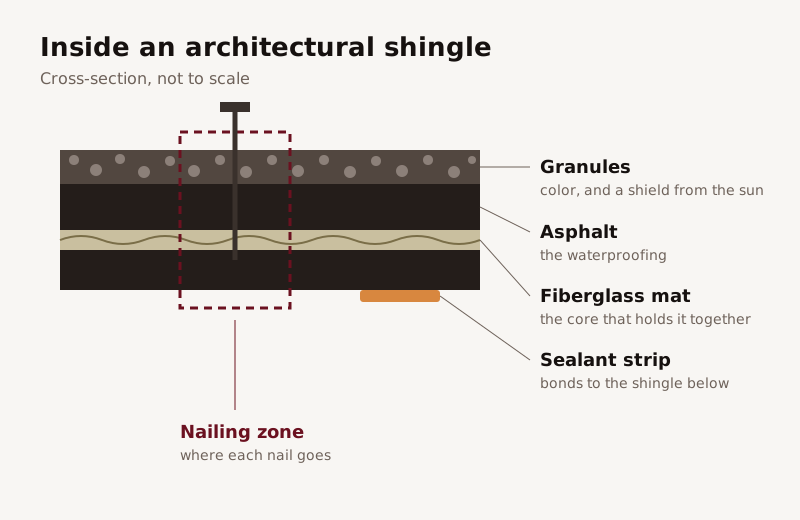
- Fiberglass mat — a thin woven sheet at the center. It gives the shingle its strength and shape.
- Asphalt — soaked into and coated over the mat. This is what keeps water out.
- Granules — the sand-like coating on top. They give the shingle its color and shield the asphalt from the sun, which is what breaks a shingle down over time.
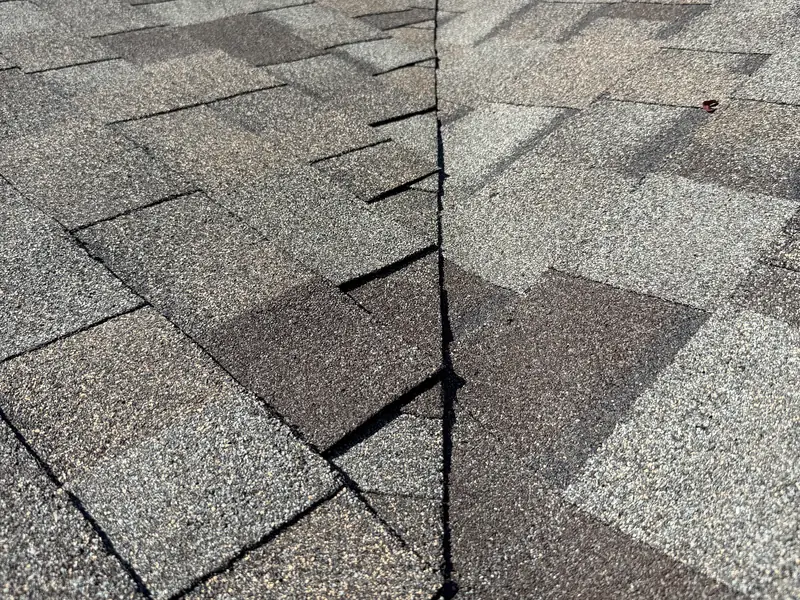
- Two layers, laminated — architectural shingles are two layers bonded together. That’s what gives them their thickness, their shadow lines and a longer life than older flat 3-tab shingles.
- Sealant strip — a band of adhesive that the sun warms after installation, bonding each shingle to the one below so wind can’t lift it.
- Nailing zone — a marked strip where the nails go. Nails placed there hold both layers and stay covered by the row above.
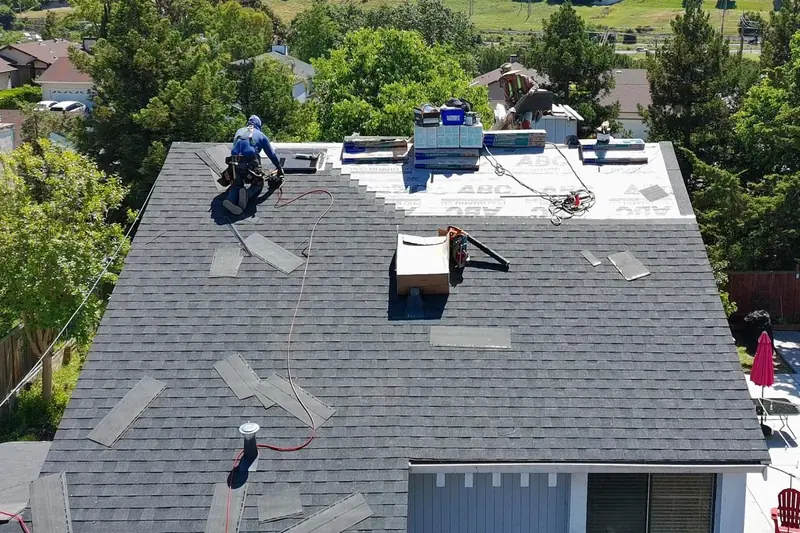
A good shingle only performs if it’s installed right
- Six nails per shingle — the high-wind nailing pattern. It holds better in wind and is what the manufacturers require for their strongest wind coverage.
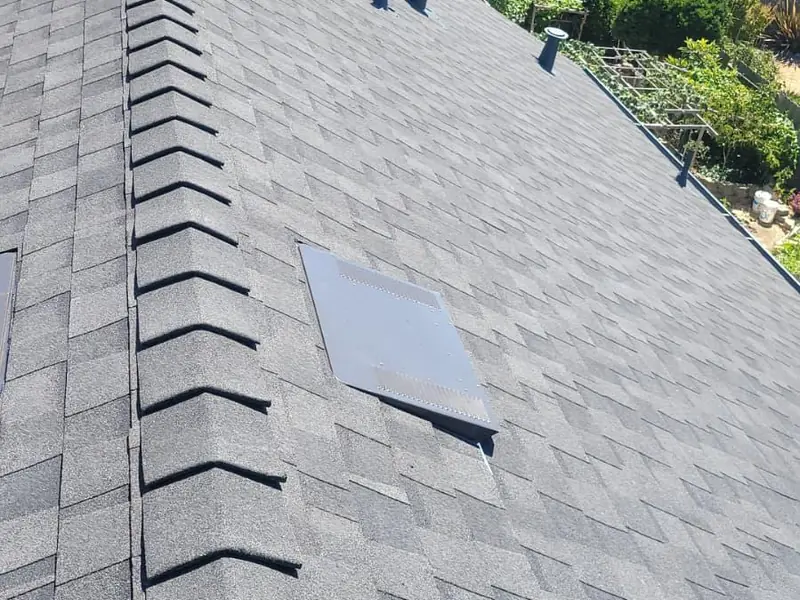
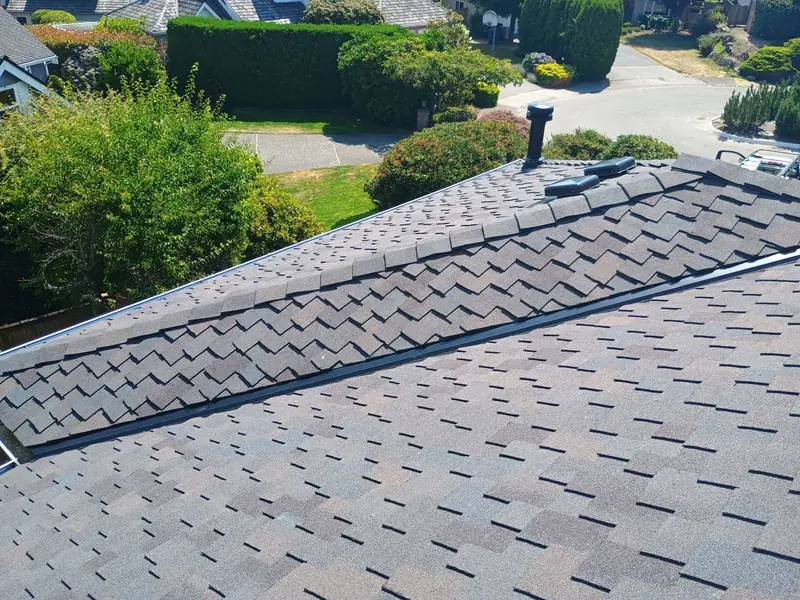
- Staggered rows — each row is offset from the one below in a zig-zag pattern, so the seams never line up and water can’t find a straight path down.
- Starter strip at every edge — a first row along the eaves and rakes, so the edge shingles have something to seal to.
- Nails in the nailing zone — every nail placed where it holds both layers and stays covered.
Manufacturers spell out how their shingles have to be installed for the warranty to apply. We follow their instructions on every roof.
What changes as you step up
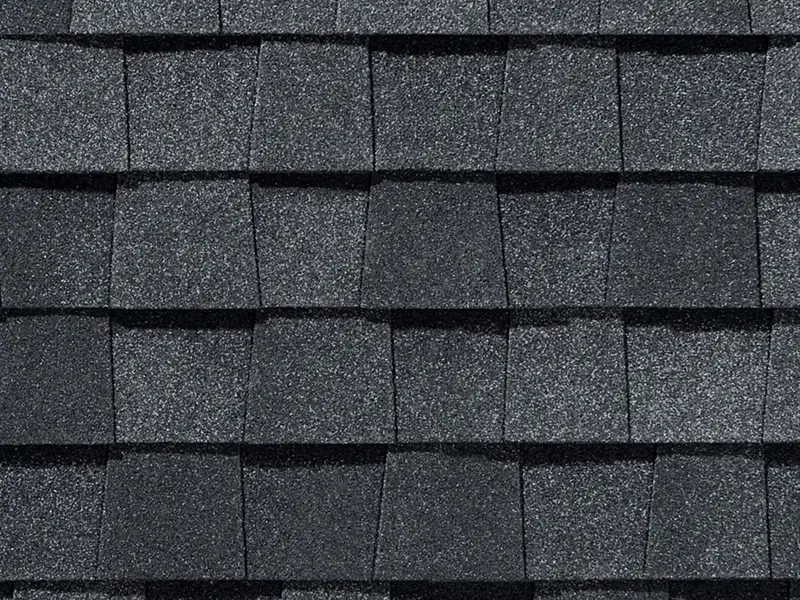
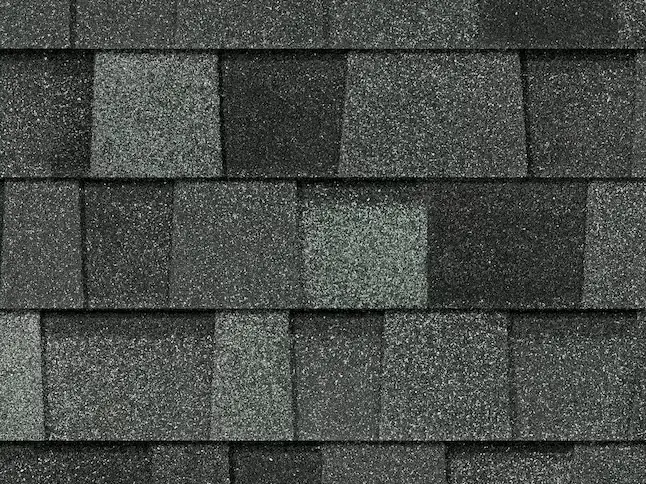
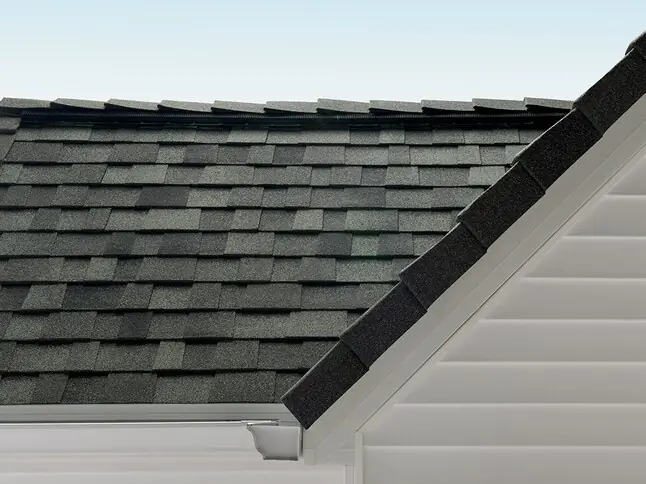
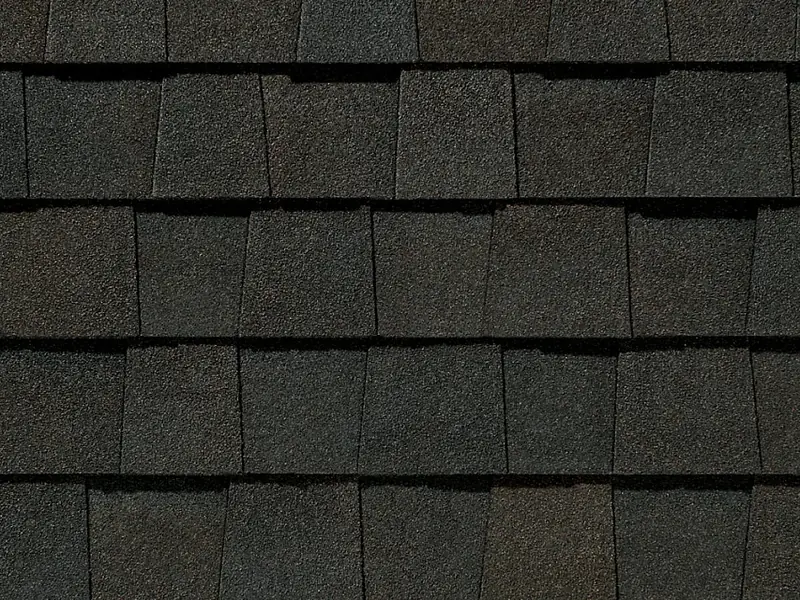
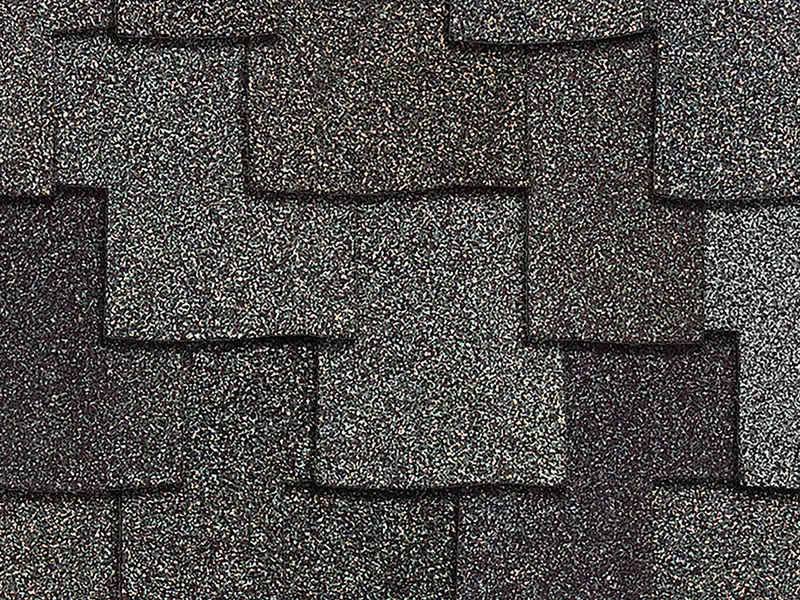
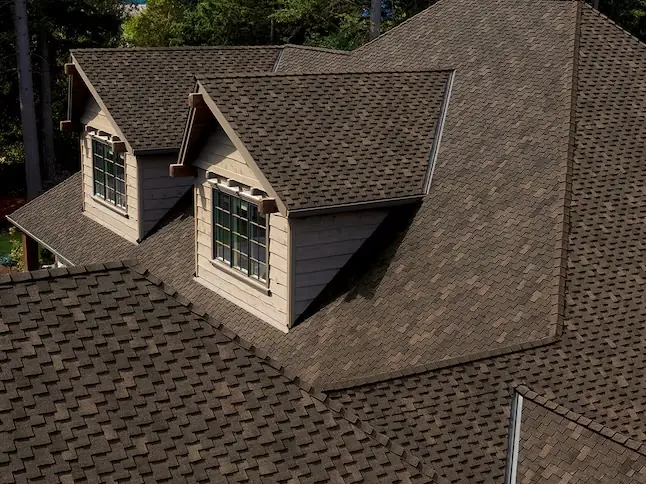
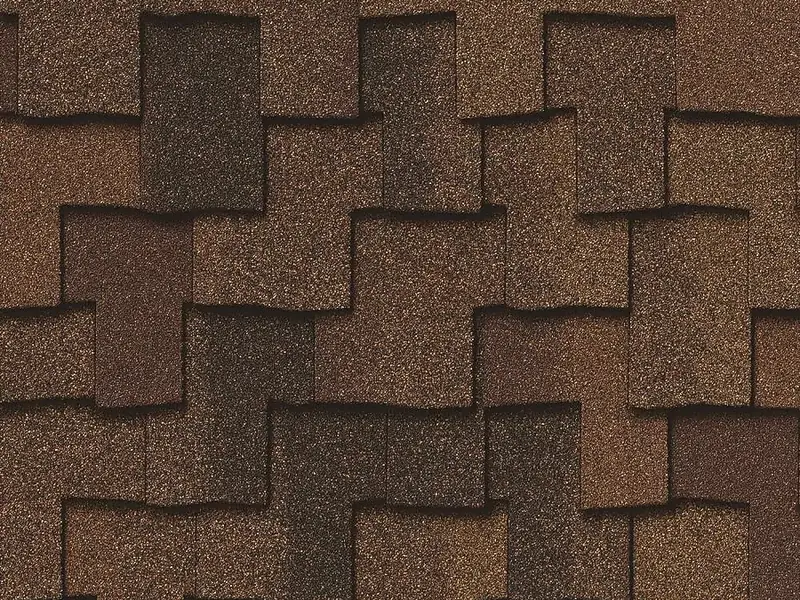
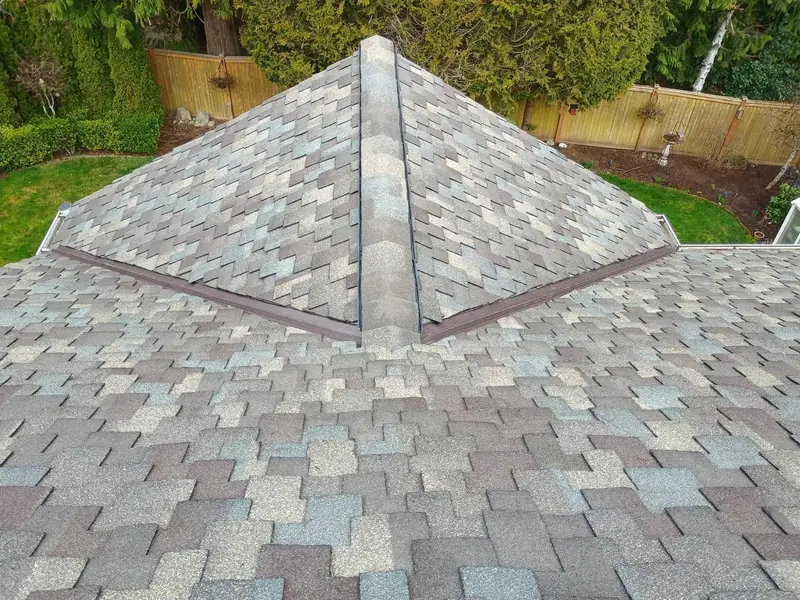
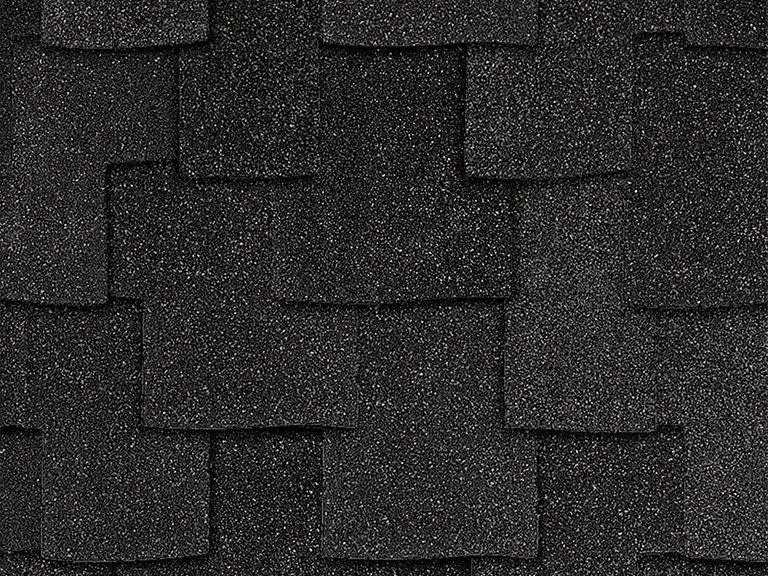
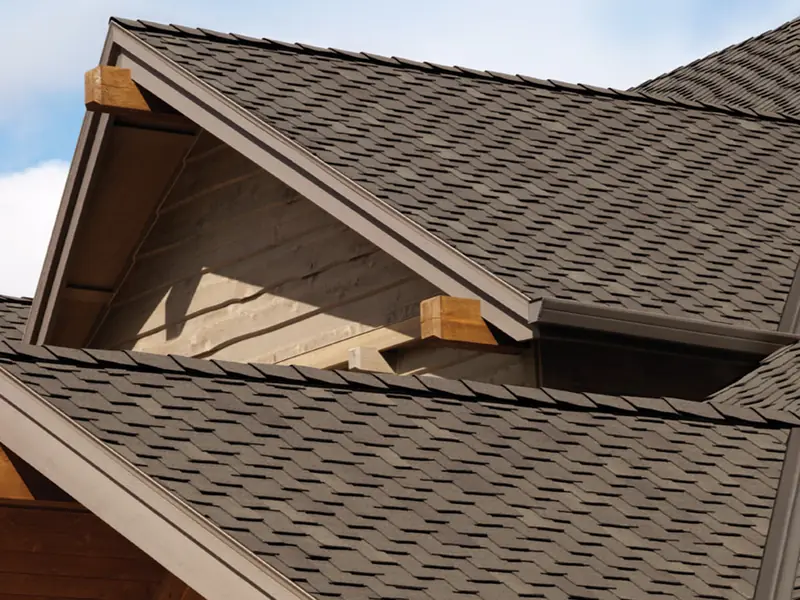
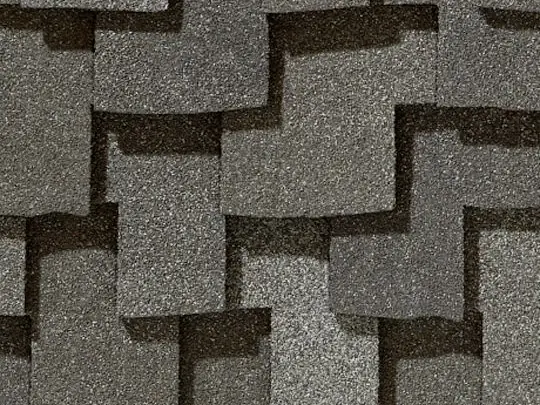
Each step adds thickness, depth or a different look. Every line is UL Class A fire rated, and only the top line steps up to a Class 4 impact rating. None of them is a fix for something the base bid leaves out.
What a cool roof is, and when it makes sense
Every line above comes in a Cool Roof version. It isn’t a must for every home, but for most Bay Area houses it’s a reasonable upgrade at a reasonable price.
How it works
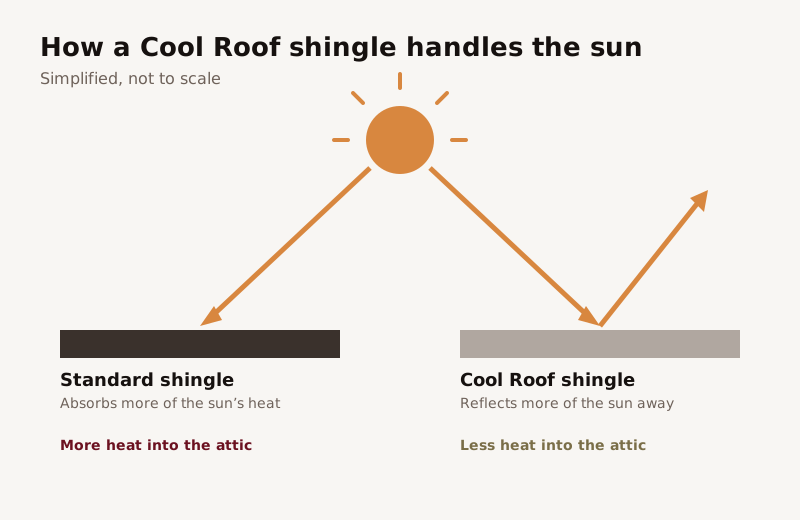
A regular dark shingle soaks up sunlight and turns it into heat, which goes straight into your attic. A cool roof shingle uses specially coated granules that reflect more of that sunlight back to the sky, and it lets go of the heat it does absorb faster.
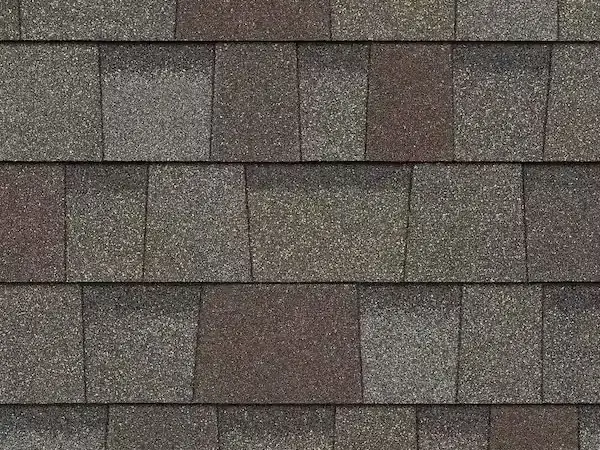
From the street it looks like a normal architectural shingle. The colors are a different set, and they usually run a little lighter.
Why it exists
California’s energy code, called Title 24, sets standards for how well a home keeps out summer heat. A cool roof shingle is one way to meet them. A home with enough attic insulation and ventilation can meet them with standard shingles too. We check what your house needs as part of the permit and tell you which way makes sense.
What it does for your house
- A cooler attic — less heat soaking in on summer afternoons.
- A cooler house — interior temperatures can drop 1 to 2 degrees in peak summer heat.
- Less heat stress on the shingles — heat is one of the main things that ages a roof.
- Works best with good ventilation — the vents in our base bid let the heat that does get in escape.
What it does for the neighborhood
Dark roofs and pavement soak up heat all day and give it back at night, which is why built-up areas stay warmer than open land around them. That’s called the urban heat island effect. Roofs that reflect more sunlight add less heat to the air around them, so the more cool roofs on a street, the less heat the neighborhood holds onto on hot days.
What it costs
+$8/sqAbout $8 more per square (100 sq ft of roof) than the same line in standard colors. We don’t promise a number on your energy bill. That depends on the house.
Why does the sample look different from the house?
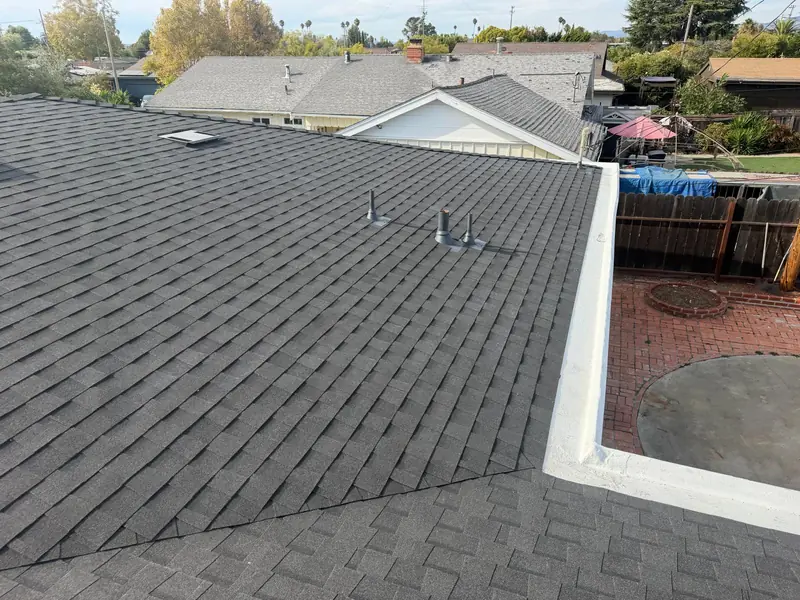
It’s a fair question, and one of the most common we get. A sample board is a few square inches under kitchen light; a screen shifts every color; a finished roof is thirty squares of granules seen at an angle in full sun. The same gray can read warm on one house and cool on the next.
- See it on a real roof — ask for a finished job near you in the exact product and color. We give you the address and the full manufacturer name.
- Look at it with your house — hold the sample against your siding and trim outside, morning and afternoon, before you decide.
- Tell us what you don’t want — no brown in the gray, nothing too dark for the heat. A rule like that narrows the list faster than a favorite.
Once you pick a line, every color in it is the same price.
The warranty behind the shingle
A lifetime limited material warranty from the manufacturer, prorated after the first ten years, with our 10-year workmanship warranty on top. The extended Owens Corning coverage depends on the system underneath being right.
Comparing against another bid
Match the full product name as well as the brand. “Duration” and “Duration MAX” are different shingles, and a bid that says “architectural shingle” hasn’t told you which one.
Questions about shingles
How do I choose shingles and a color?
Pick the line first, then the color. Every manufacturer has four or five lines, and each line has twenty colors. A 6-inch chip can’t show you how a blend reads across 2,000 square feet, so ask us for a house nearby with the exact product and color name you’re considering. Color never changes the price within a line.
Do thicker shingles last longer?
In our experience, no. The step-up lines carry the same manufacturer warranty as the standard line, and homeowners insurance will still ask for a new roof at 25 years. The step-ups are mostly about looks.
Is Cool Roof worth it?
It gives you a cooler attic, and it’s one way to meet California’s energy code (Title 24). Cool Roof versions cost about $8 per square more. For a noticeably cooler house, attic insulation and ventilation usually make the bigger difference.